You can find previous actions here. Watch videos of our latest actions.
Who are we?
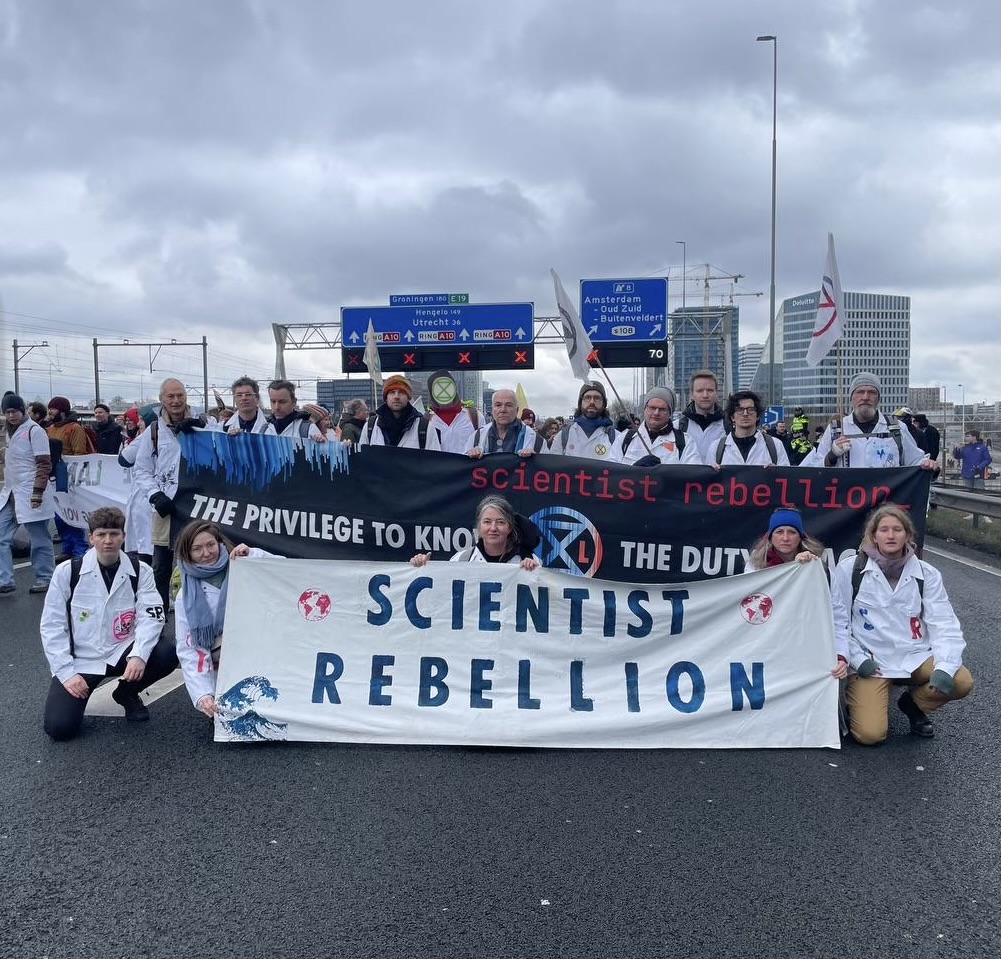
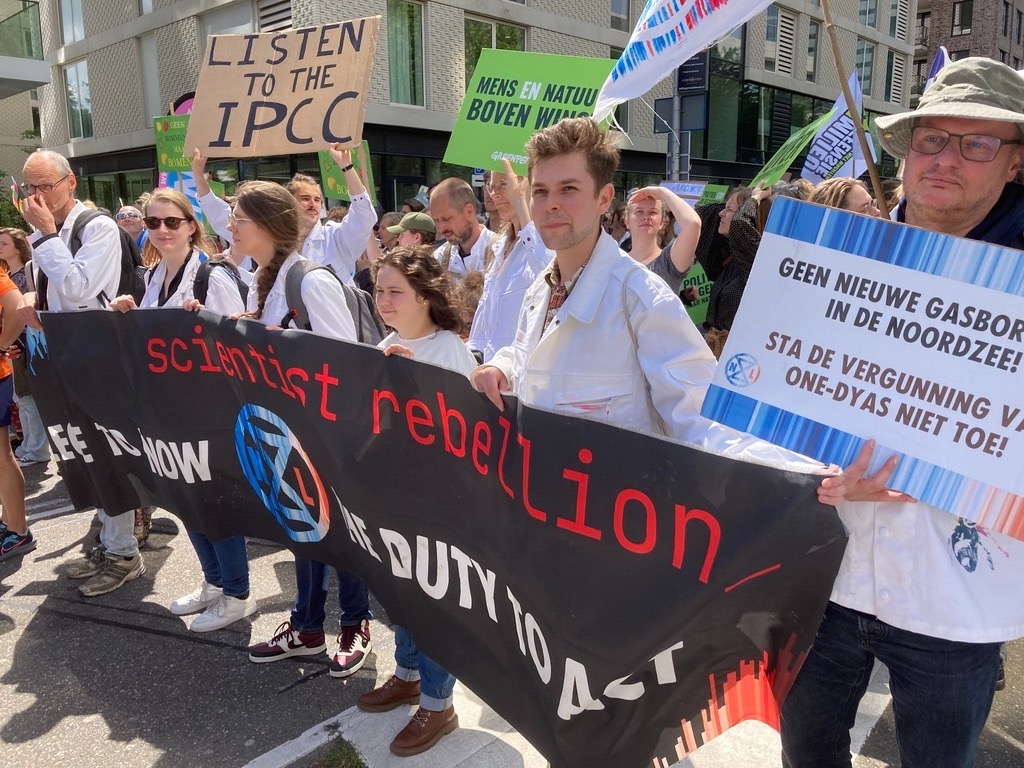
Scientist Rebellion is an international movement of scientists and academics who are deeply concerned about the climate and ecological crisis and who believe that civil disobedience by scientists can help to push for urgent climate action. Read more here.
If you would like to know more about Scientist Rebellion NL and would like to join, please visit this page.
Here, your colleagues explain why they are taking action.
Knowledge centre
In the Knowledge Centre we regularly publish articles and blogs by scientists affiliated with SR. These articles and blogs shed light on the climate crisis from the perspective of various disciplines. You can subscribe to receive regular updates. The form can be found here.
We are facing surging oil prices and rising costs for fertilisers, food and other commodities. Trump’s reckless actions in Iran are pushing the global economy to the brink of an...
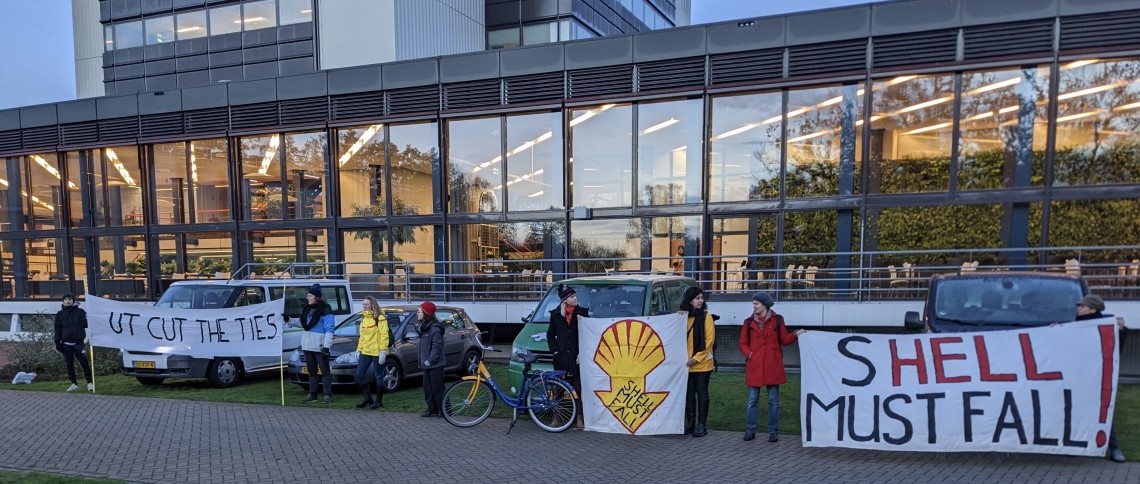
Shell’s influence on the energy transition also extends to the lecture hall. The oil giant is helping to shape the language, tone and direction of the energy transition. This is...
The first warm days of the year are arriving earlier and earlier and are also getting warmer. That may be pleasant for people who are tired of the dreary winter....
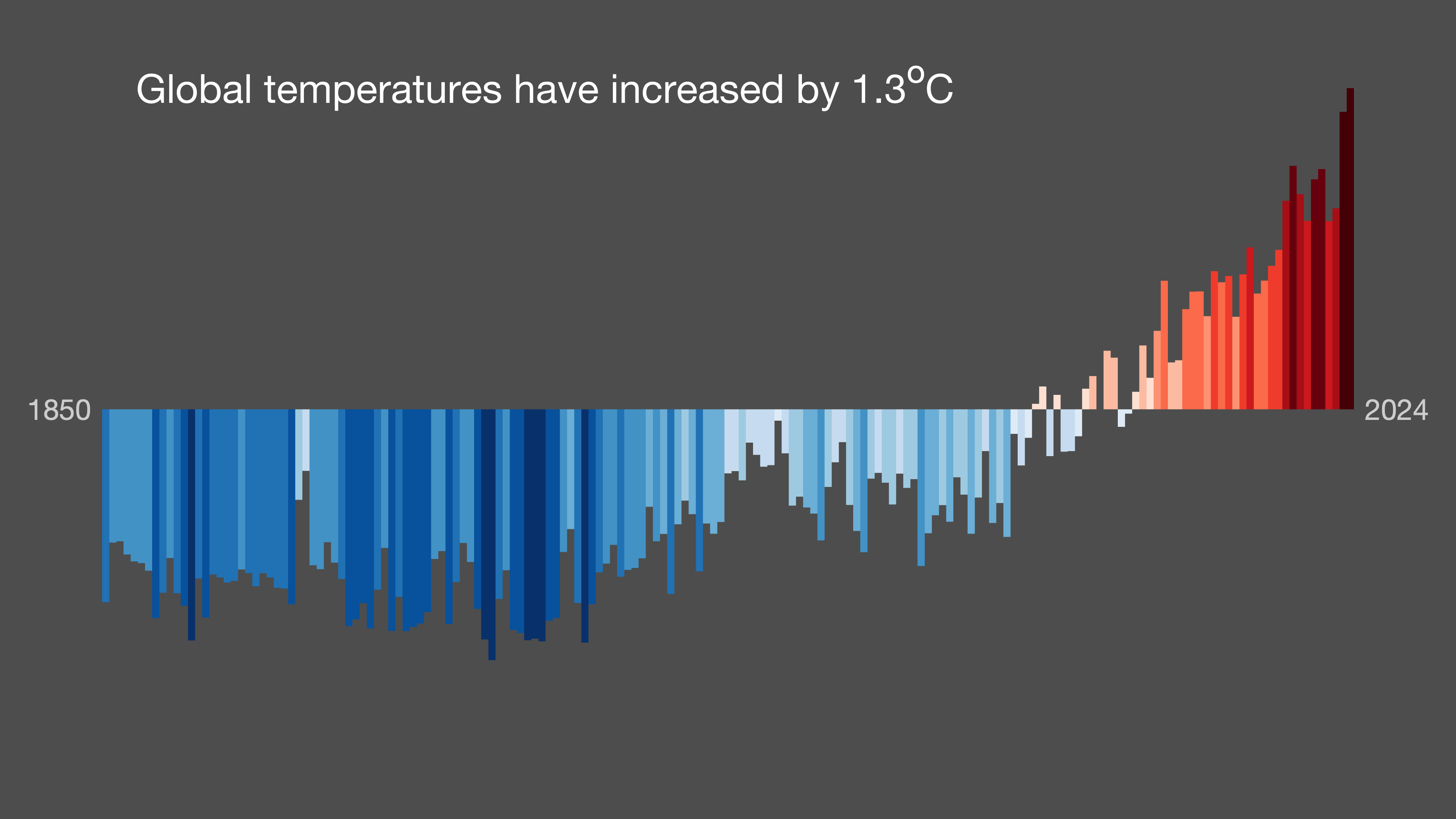
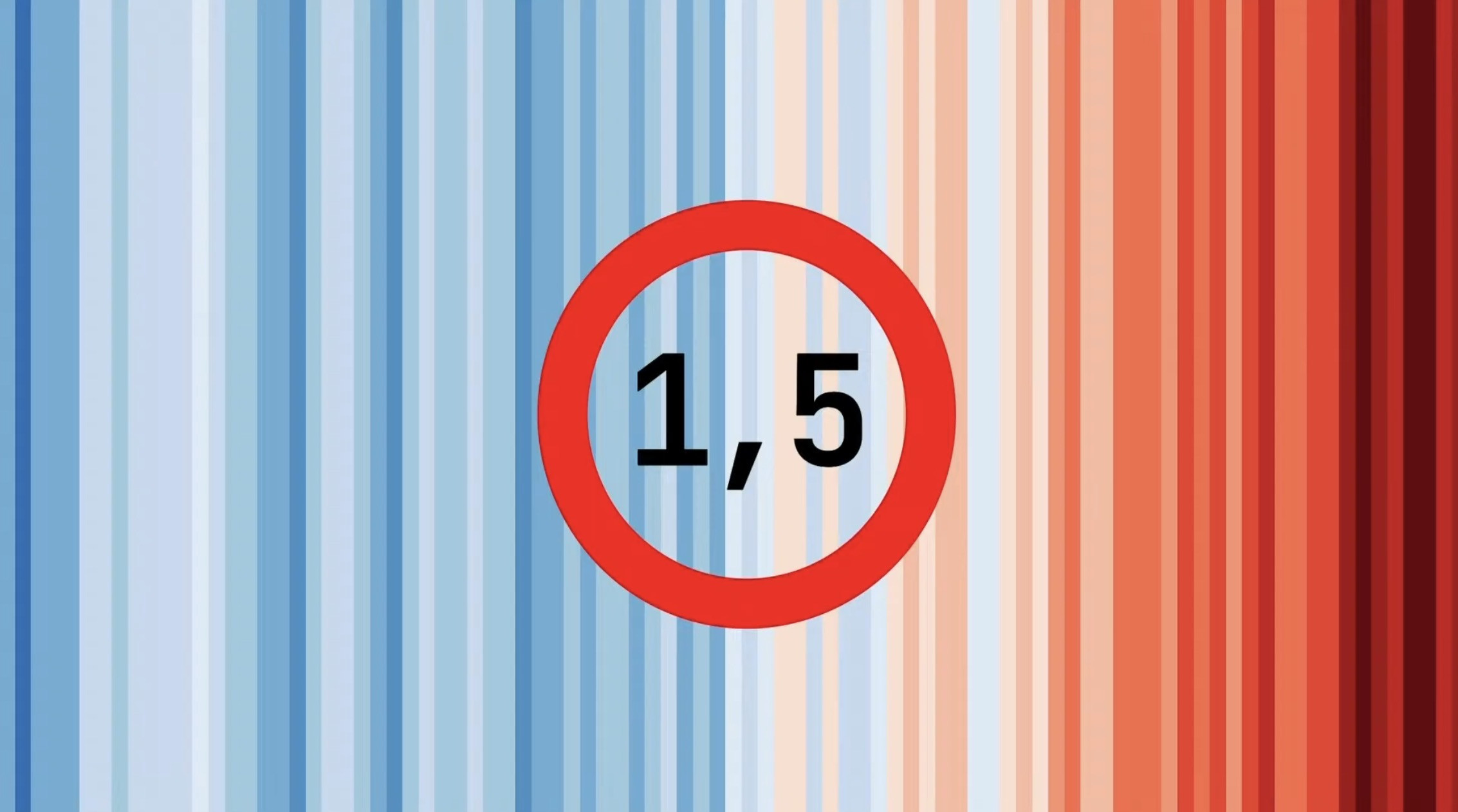
A new study shows with 98% certainty that the rate of global warming is increasing. The 1.5 °C warming threshold could be reached in the coming years, in violation of...
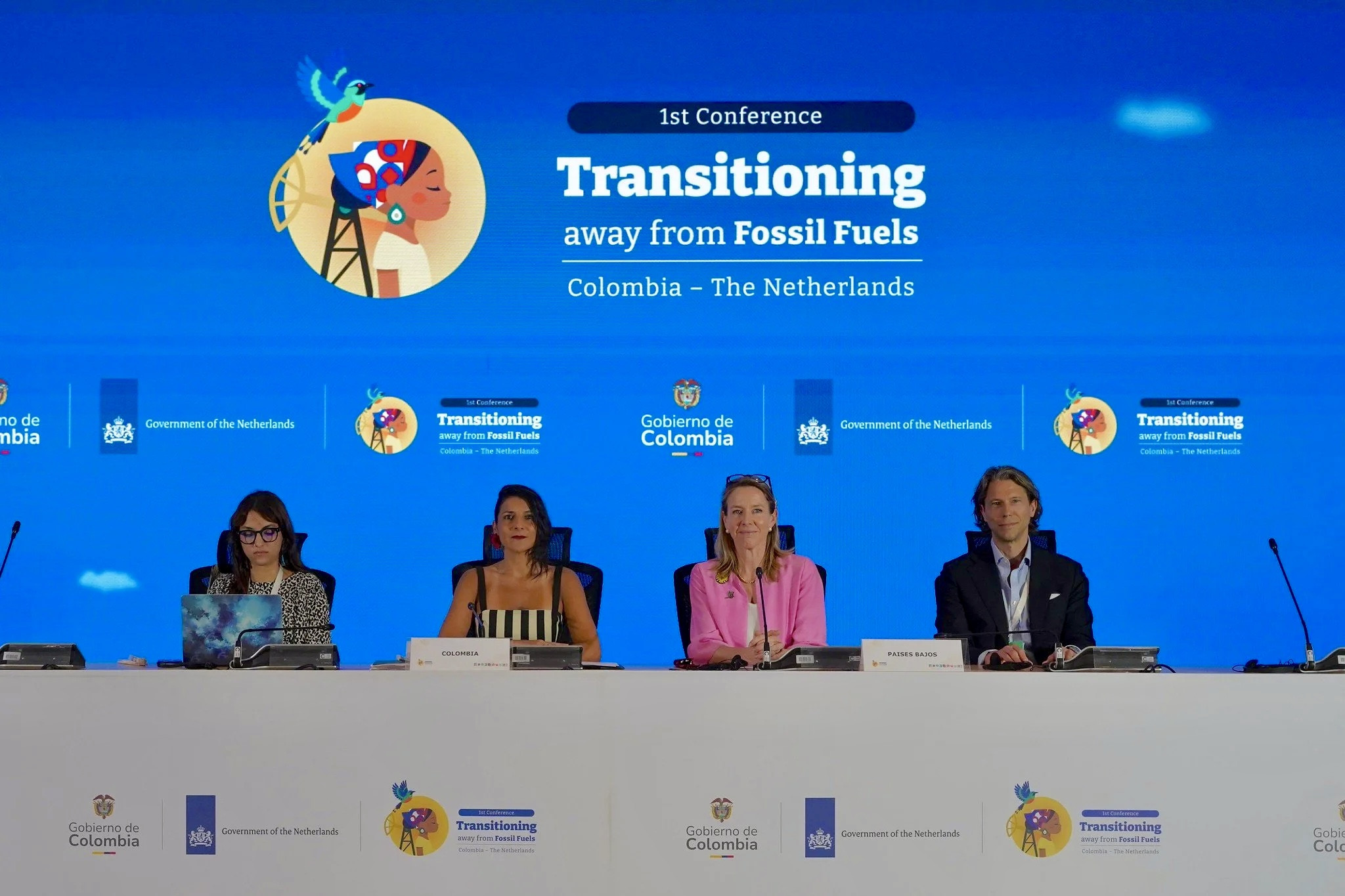
There is some good news: Last month, the First Conference on Transitioning away from Fossil Fuels was held, in Santa Marta, Columbia, from 24 to 29 April. 1 This conference...
Chikungunya is an infectious disease that causes, among other things, severe and prolonged joint inflammation. For a long time, we considered chikungunya, malaria, dengue and Zika to be (sub)tropical diseases...
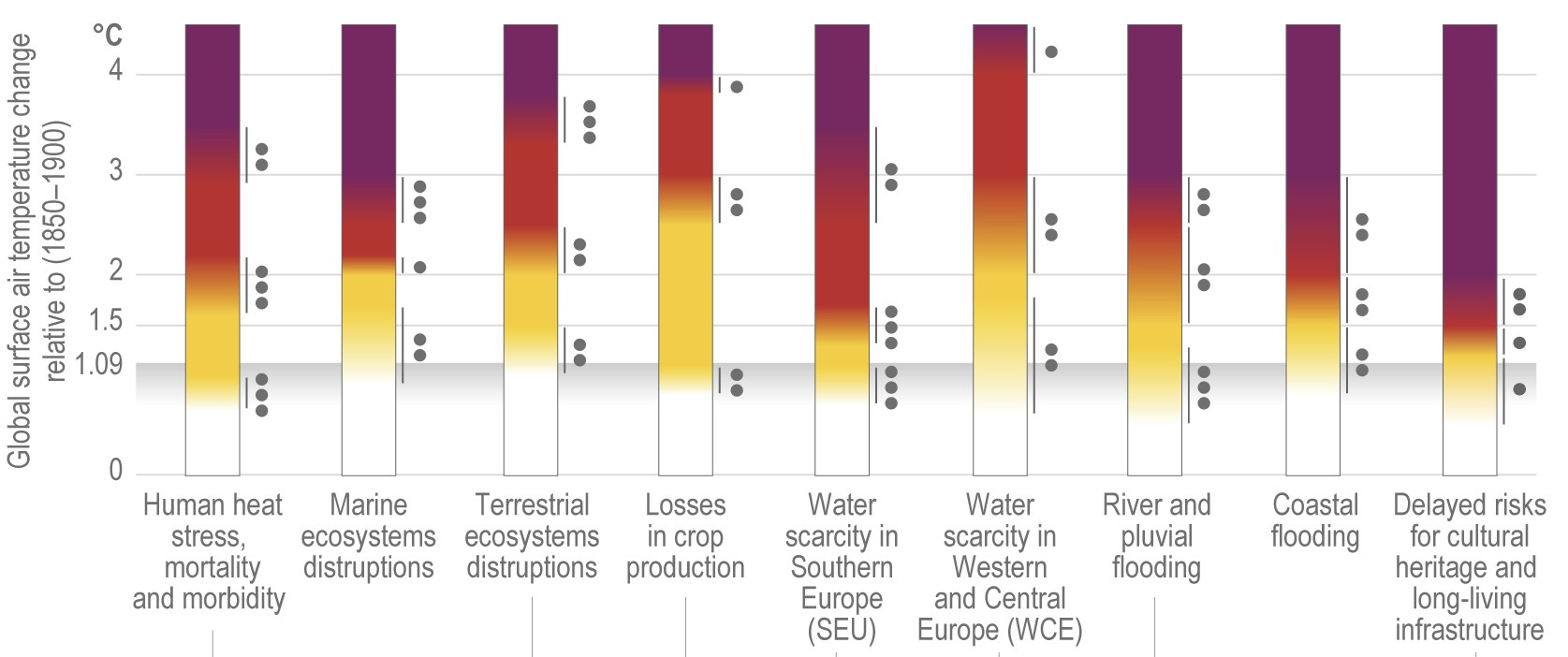
Moderate global warming creates a risk of climate impacts that are more severe than the most-likely impacts of high global warming. Summary of a News & Views article in Nature...
At the end of January, De Staat van ons Klimaat (The State of Our Climate), the KNMI’s annual report on the year 2025, was published. The report confirms the continuing...
We all want the same things: a liveable planet, a safe home and an affordable energy bill 🌍🤝 Yet here in the Netherlands, we remain heavily reliant on fossil fuels....
Gerben ter Riet1 Epidemiologists love the term ‘risk’. They try to quantify health risks. This is not easy when it comes to health risks as a result of man-made global...
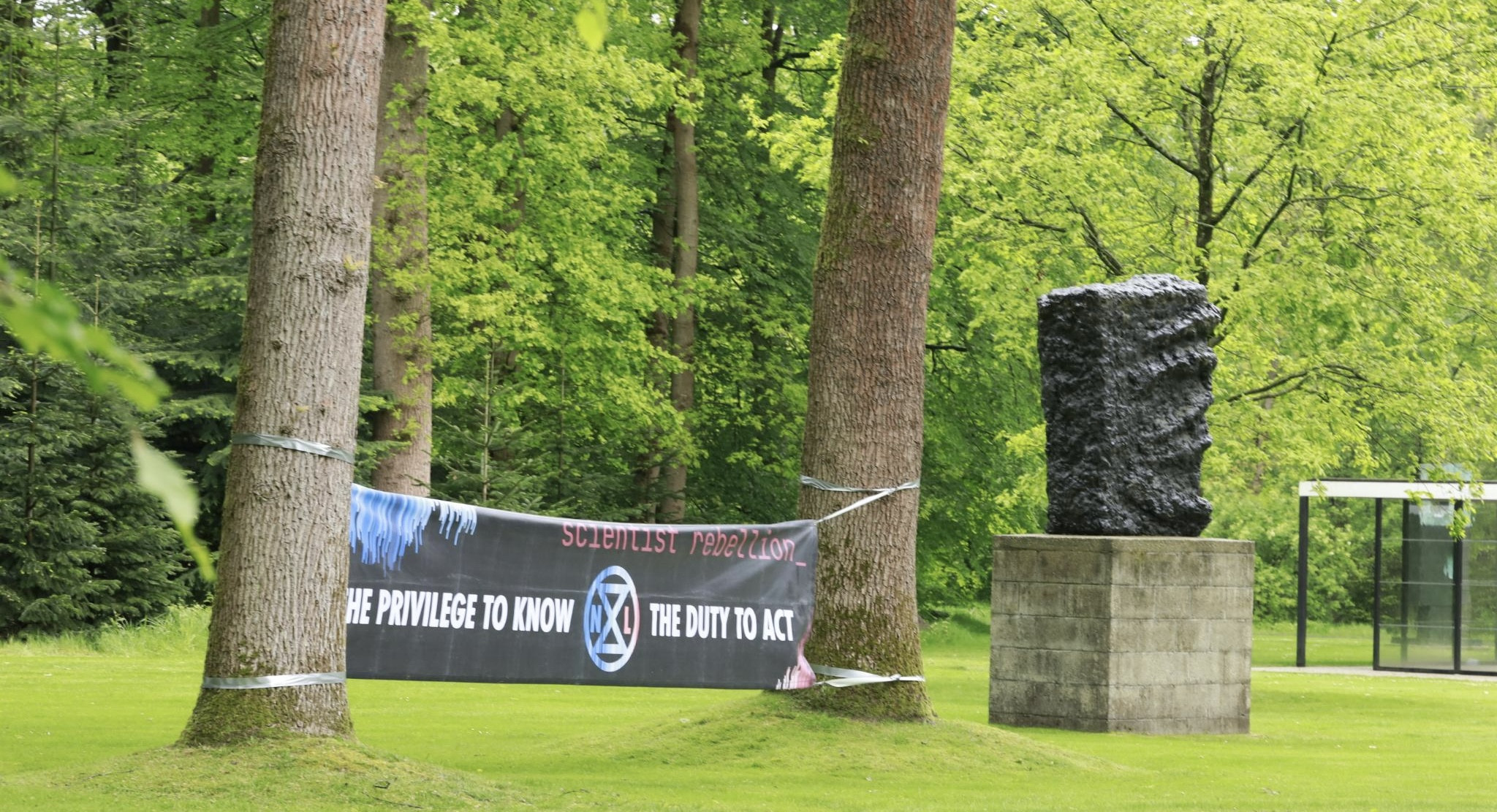
The booklet about the walk. On 14 May, Museum Kröller Müller (Hoge Veluwe National Park near Otterlo) and our colleagues from Scientist Rebellion launched the collaborative project Art and Climate...
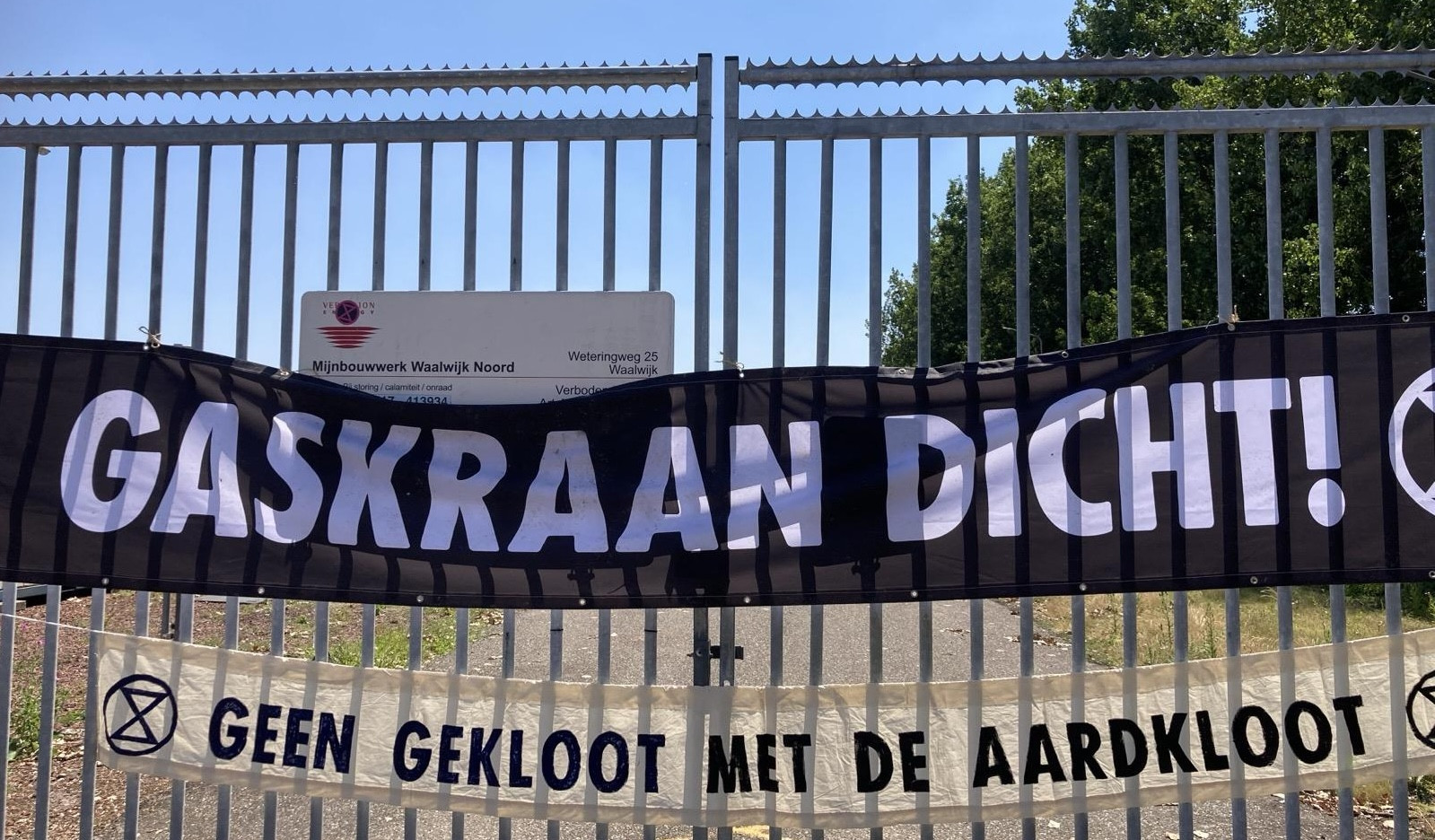
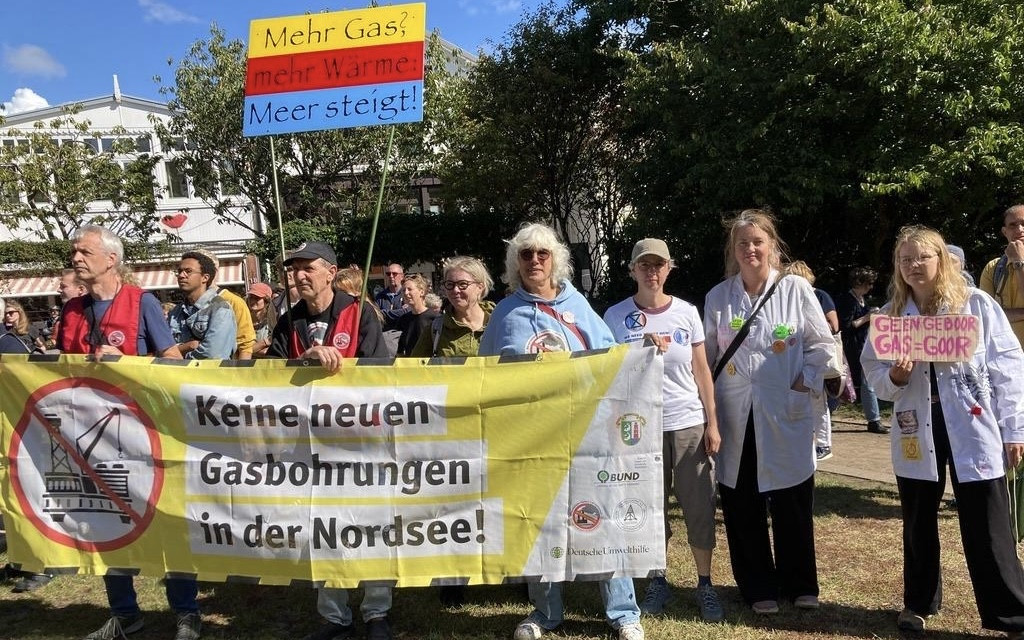
As part of the national ‘Turn off the gas tap!’ (Draai de gaskraan dicht!) campaign, Extinction Rebellion and Scientist Rebellion staged a protest at the Waalwijk Noord gas field on...
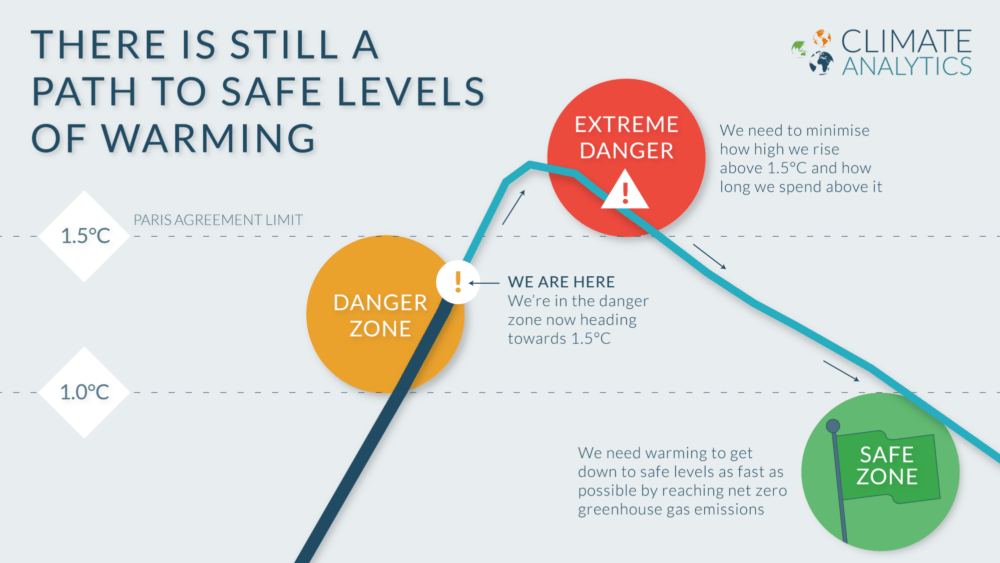
There is little time left to prevent global warming caused by greenhouse gas emissions from exceeding 1.5 °C (compared to the pre-industrial period). In other words, the amount of greenhouse...
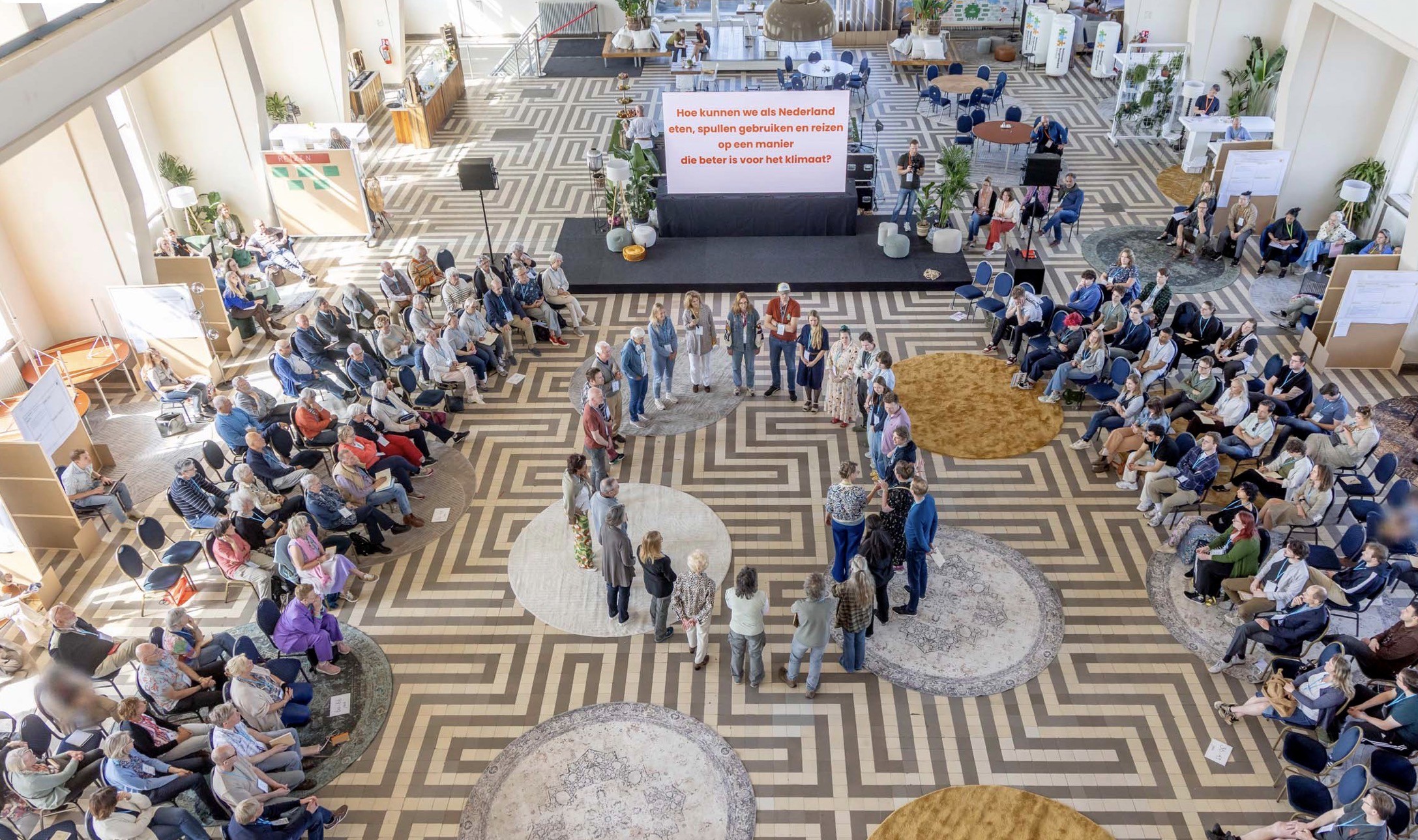
Sergej van Middendorp On Monday 1 December, the National Citizens’ Climate Assembly presented its advice to the government. In a comprehensive report,1 the 175 Dutch citizens2 who formed the assembly...
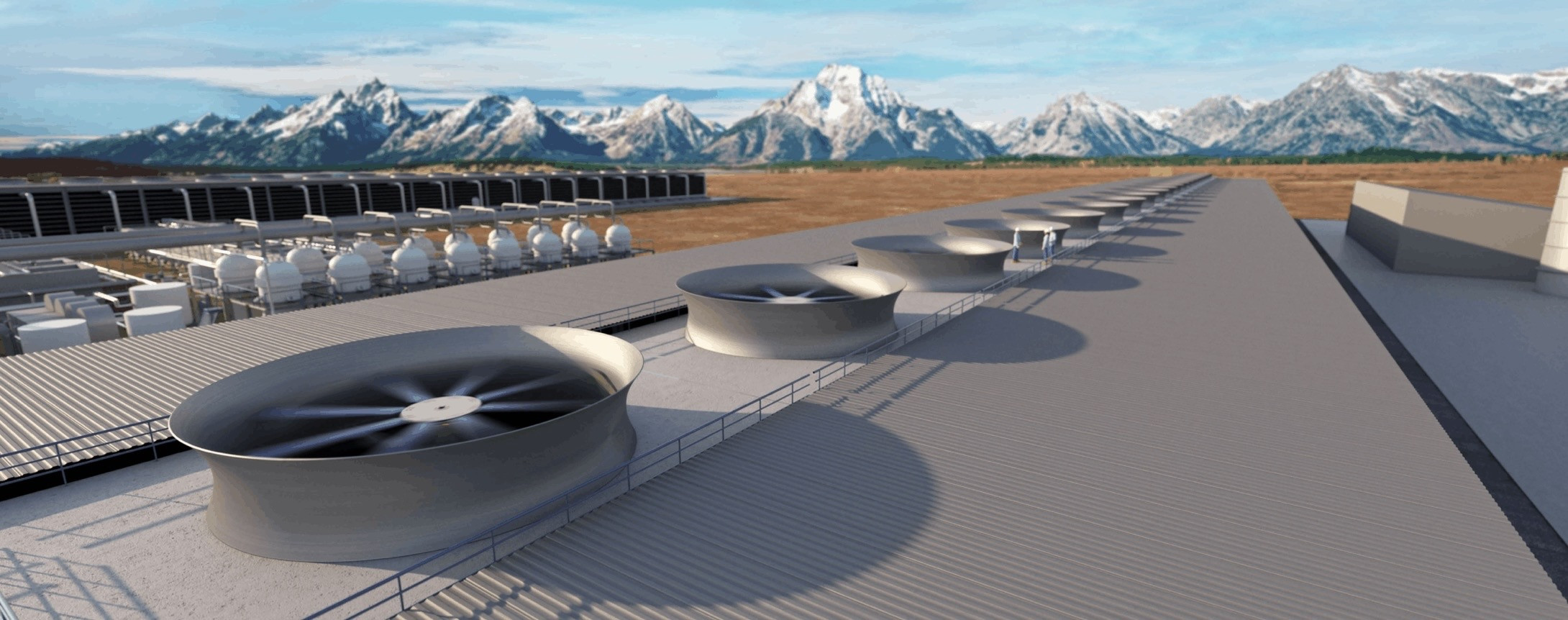
Technology that removes carbon dioxide and other greenhouse gases from the atmosphere is seen by the Dutch government, among others, as a promising way to become climate neutral.1It would also...
Climate sceptics, led by President Trump, were quick to jump on the bandwagon when extreme cold weather hit the US at the end of January 2026. Trump posted on his...
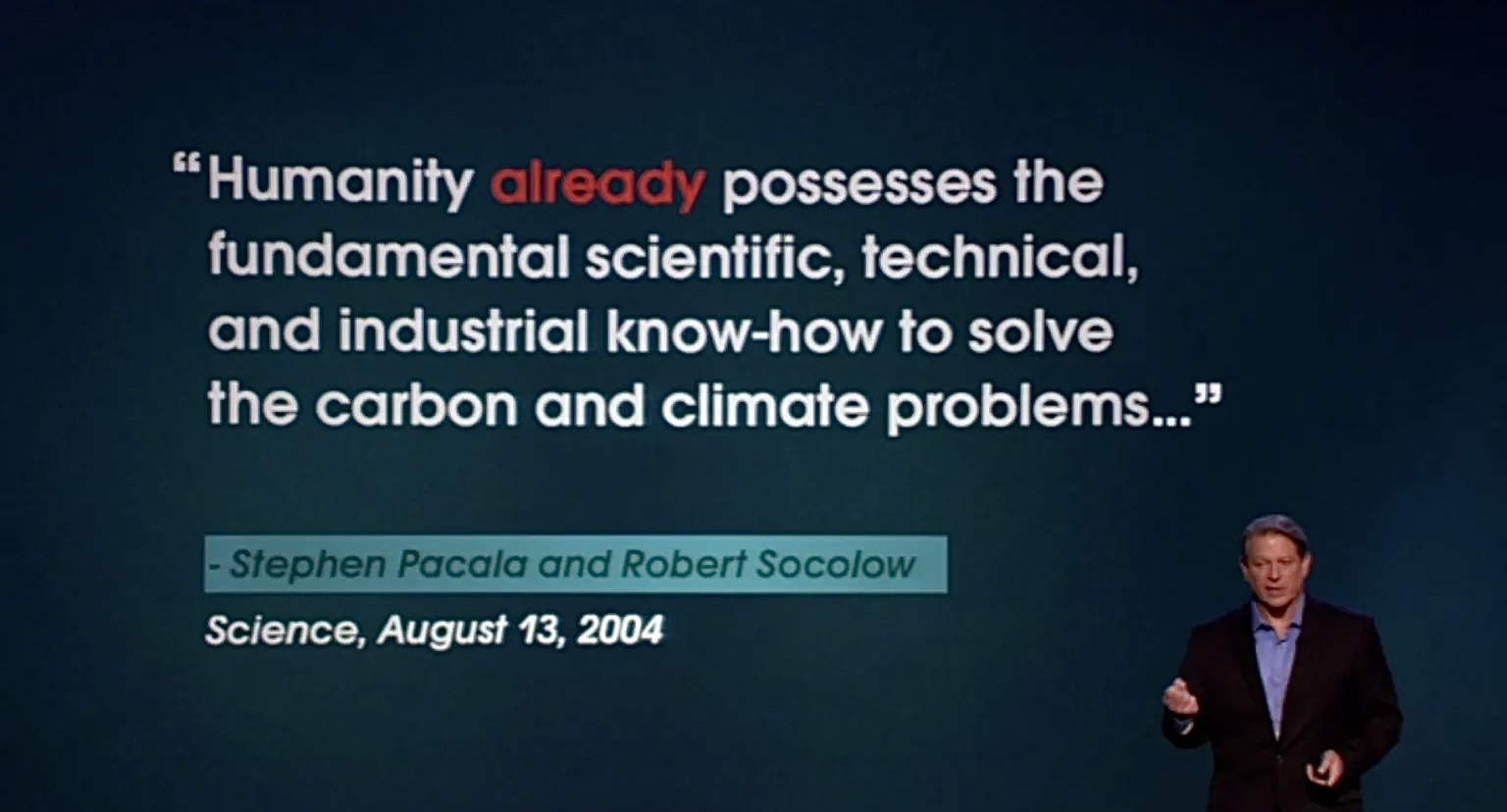
Revised 23 July, 2026 This is the story of how one of the most influential climate papers, the so-called “Wedges paper” 1 came into existence, thanks to the support of...
With the holidays just round the corner, the question arises: shall we fly? For most climate activists, it’s a no-brainer, but we do occasionally get asked this by family or...
A maximum of 1.5 °C warming, and in any case well below 2 °C, is the goal of the 2015 Paris Agreement, which is still endorsed by most countries. Due...
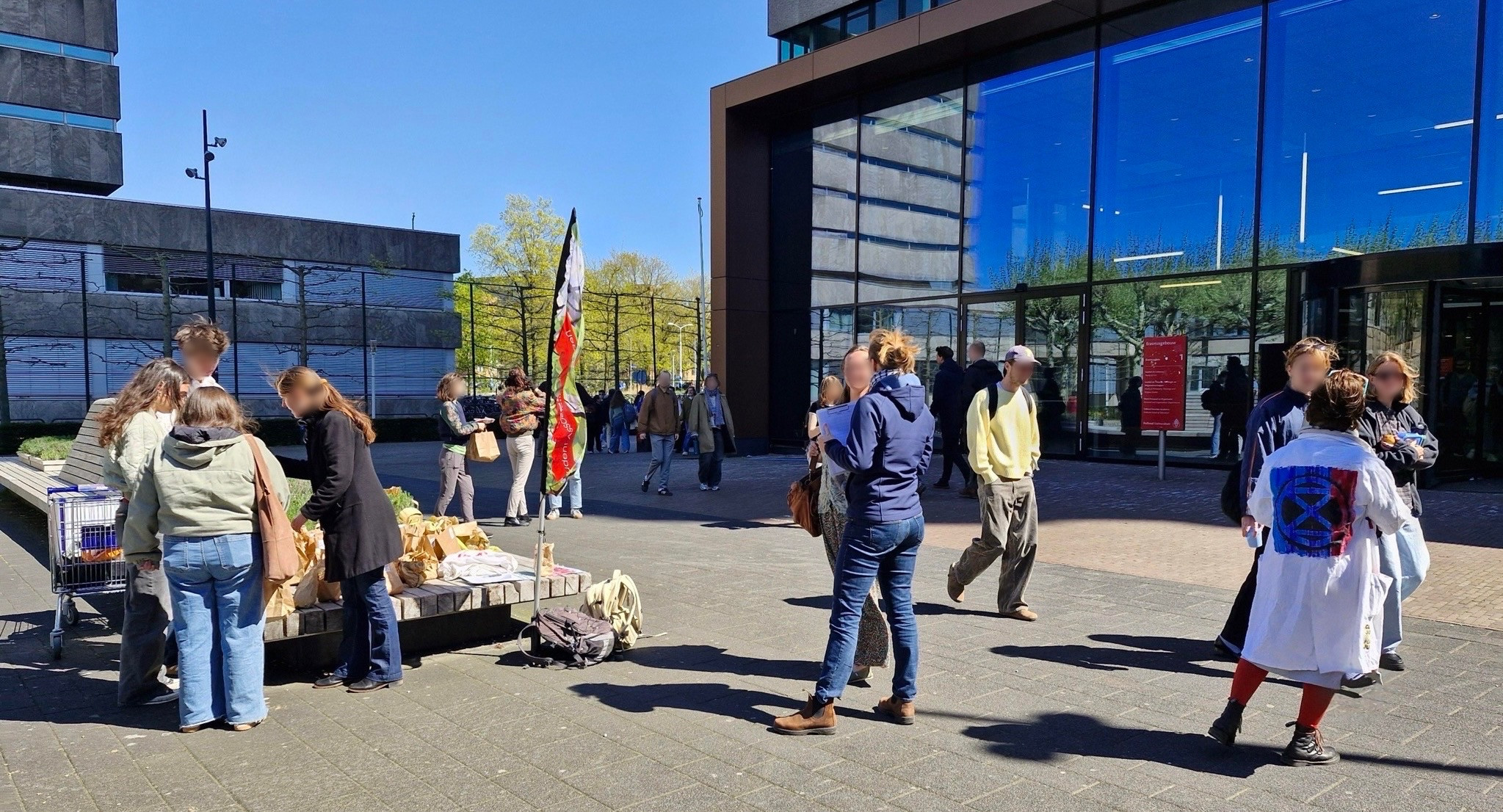
The Radboud S4F/SR group joined forces again with the Vegan Student Association today on Earth Day. We handed out bags of free potatoes to students and staff. The potatoes were...
We are facing surging oil prices and rising costs for fertilisers, food and other commodities. Trump’s reckless actions in Iran are pushing the global economy to the brink of an...
Why I take action as a scientist. Do I take action? I didn’t know that. Apparently, you take action when you express your opinion. Why do I always have to...
The myth of the ‘self-made millionaire’ conceals a system of privilege and exploitation Eva de Bock & Anna Sach Welcome to the community of greatness. Be here & be great. At...
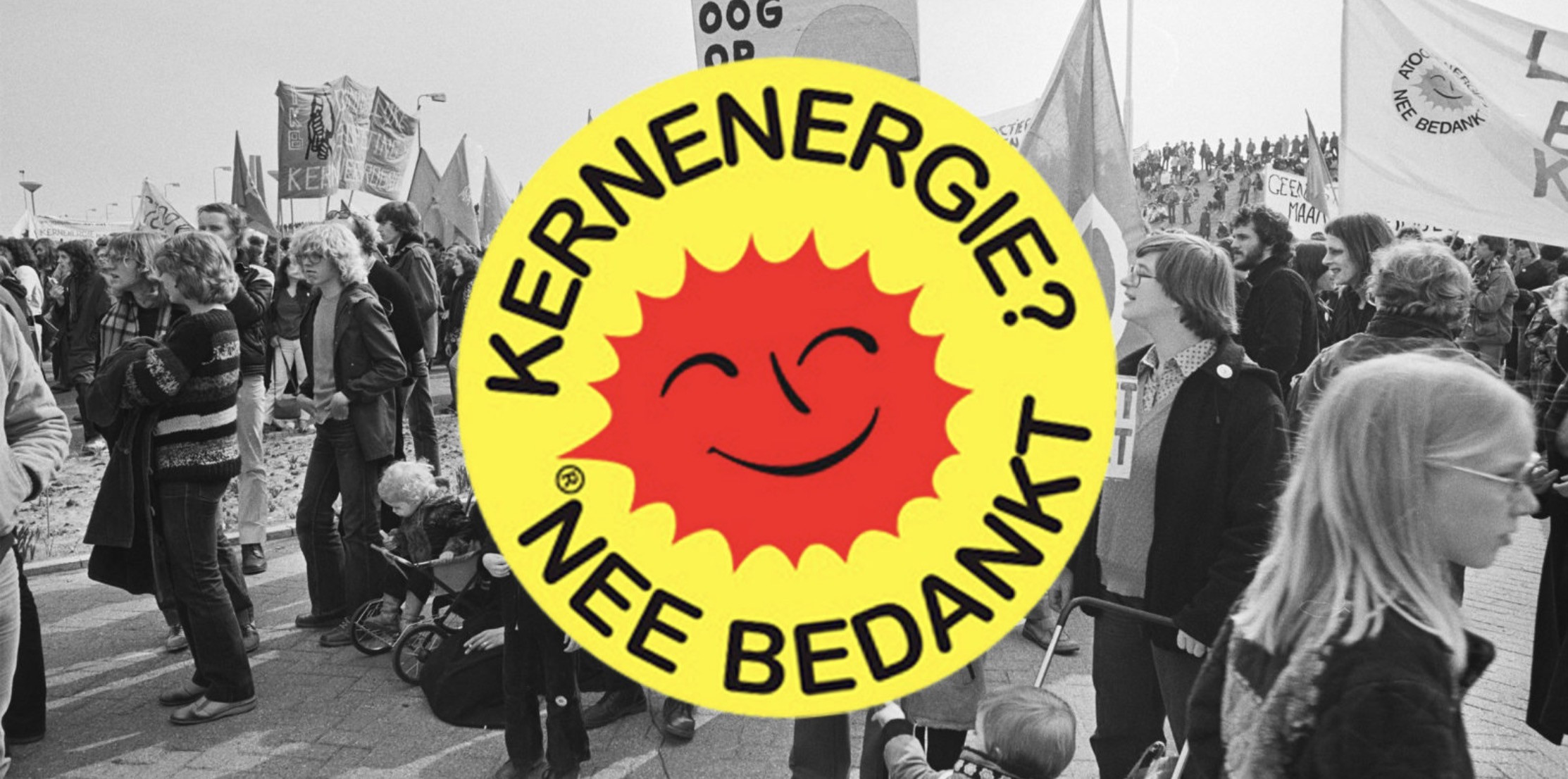
Like previous coalitions, the Jetten cabinet wants to focus on nuclear energy, but this is controversial and unsustainable. Uranium is finite, and expensive power stations require state guarantees. They have...
Stop Big Agro, part of XR Agriculture, is organising a protest against Yara’s fertiliser productionProvincial Government Building, Abdijplein, Middelburg, 27 March 2026 – 12:00 The action group Stop Big Agro,...