Solar, wind, and EVs have knocked out a doomsday climate scenario

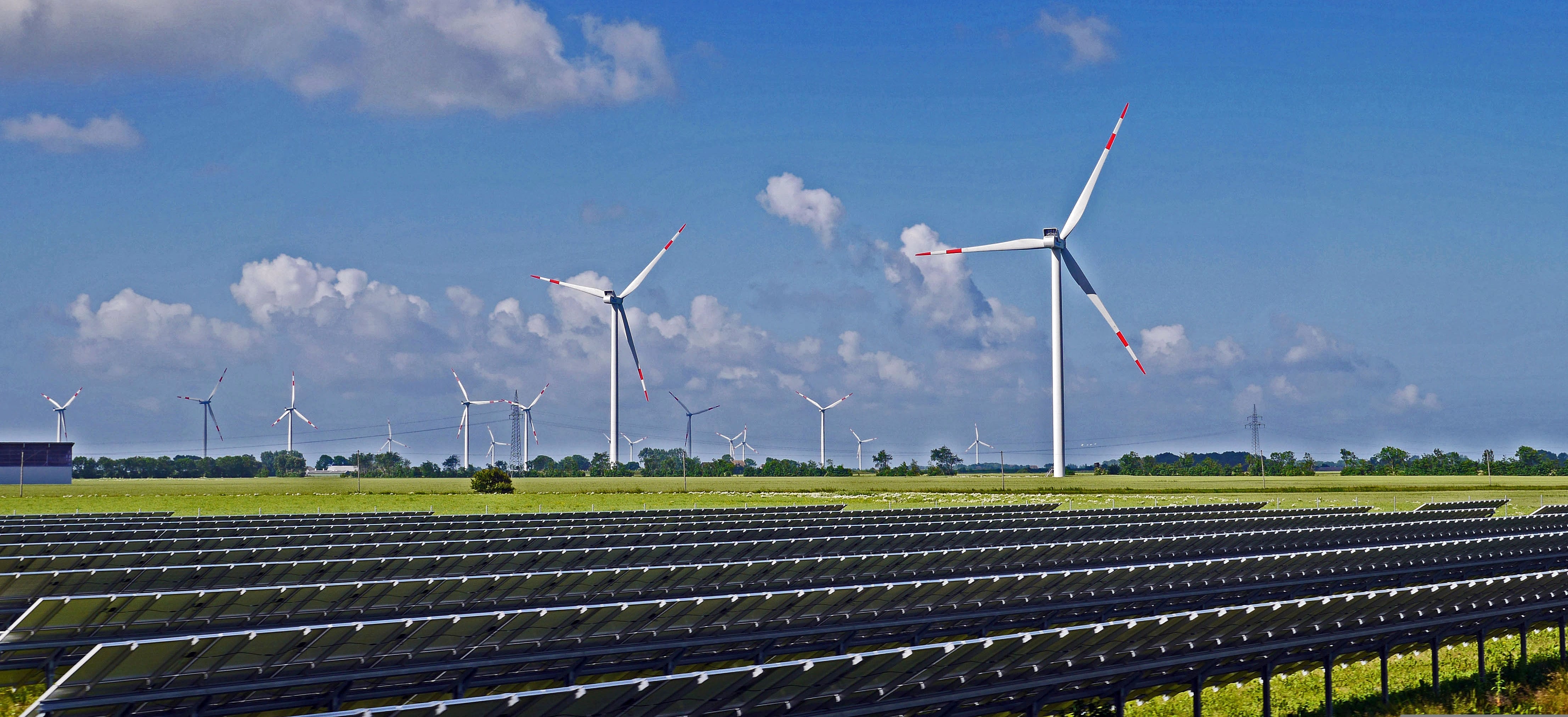
Explosive growth in clean technologies has pushed an old coal-heavy scenario out of the realm of plausibility, according to a recent study. But there’s more work to be done. this article has been republished under a Creative Commons license from Yale Climate Connections. Thanks to the transition from fossil fuels to clean technologies, what used … Read more

Medicines for youth’s eco-anxiety

Young people worry about the climate – we know that. But what does education do about those concerns? International research shows: too little. And that can be done differently – especially if we also take the children’s age into account. Climate education falls short What can schools and parents do to equip young people for … Read more

Transitioning away from Fossil Fuels

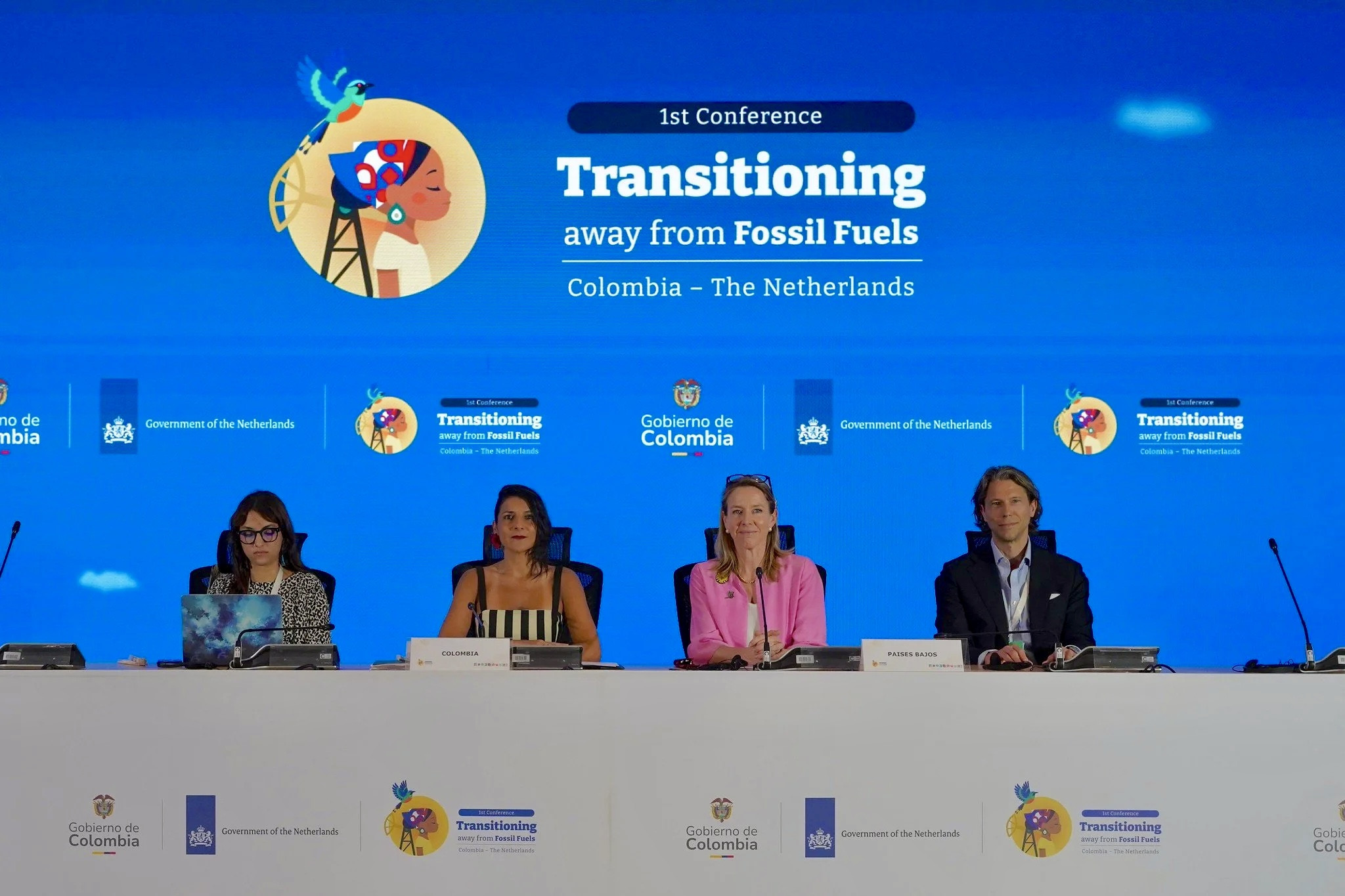
There is some good news: Last month, the First Conference on Transitioning away from Fossil Fuels was held, in Santa Marta, Columbia, from 24 to 29 April. 1 This conference came out of the COP-conferences but is not part of it. Rather, these conferences—plural, because the next one is already planned, for next year 2 … Read more

Sources and sinks of greenhouse gases

Human produced carbon dioxide in the atmosphere. Source: NASA.

Visualisations based on NASA’s atmospheric models of greenhouse gas emissions and distribution clearly show that the climate crisis is a climate justice issue. CO₂ is primarily emitted by wealthy countries in the Northern Hemisphere and then spreads to the rest of the globe. It is countries that contribute least to rising CO₂ levels that suffer … Read more

Lapping at the glaciers in Antarctica

Making waves: researchers set out to uncover secrets of Antarctica’s underwater tsunamis. British Antarctic Survey.

Rising temperatures caused by climate change are causing ice caps and glaciers to melt faster. The meltwater released causes sea levels to rise, 1 posing a threat to low-lying coastal areas such as the Netherlands. Ice caps and glaciers that flow into the sea melt faster because the seawater is also getting warmer. A few … Read more

Solar radiation management to begin in April

Are experiments in the stratosphere really set to begin in April!? Newspapers and radio reports are informing us of plans to begin ‘solar radiation management’. This is a method whereby particles are released into the atmosphere to reflect the sun’s rays. According to scientists, there are many serious caveats attached to this. Nevertheless, an Israeli-American, … Read more

Worst-case outcomes of moderate global warming

Moderate global warming creates a risk of climate impacts that are more severe than the most-likely impacts of high global warming. Summary of a News & Views article in Nature (25 March 2026) by Rachel Warren, 1 discussing a paper by Bevacqua et al. in the same issue. 2 The Paris Agreement targets a rise of less … Read more

The political quest for desirable science

Sometimes the fact that science is (also) political is quite obvious. For instance, the European Commission wants to incorporate research and innovation into its geopolitical mission as a ‘critical asset’ for greater economic competitiveness and more influence on the world stage. Researchers are also expected to assist politicians by ‘providing scientific evidence to underpin policy … Read more

Bonaire and climate justice

iStock Stephen Pedersen (@stephencpedersen)

The residents of Bonaire have won a court case against the Dutch state concerning climate change. According to the judge, they are not being adequately protected against the consequences of climate change. This ruling marks an important milestone for climate justice within the Kingdom and highlights the importance of addressing climate and biodiversity issues on … Read more

Nuclear energy? No, thanks!

Like previous coalitions, the Jetten cabinet wants to focus on nuclear energy, but this is controversial and unsustainable. Uranium is finite, and expensive power stations require state guarantees. They have low emissions, but long-term nuclear waste storage is a problem. With a construction time of 15-20 years, they cannot contribute to decarbonisation quickly enough. Solar … Read more