Past the tipping point for coral reefs

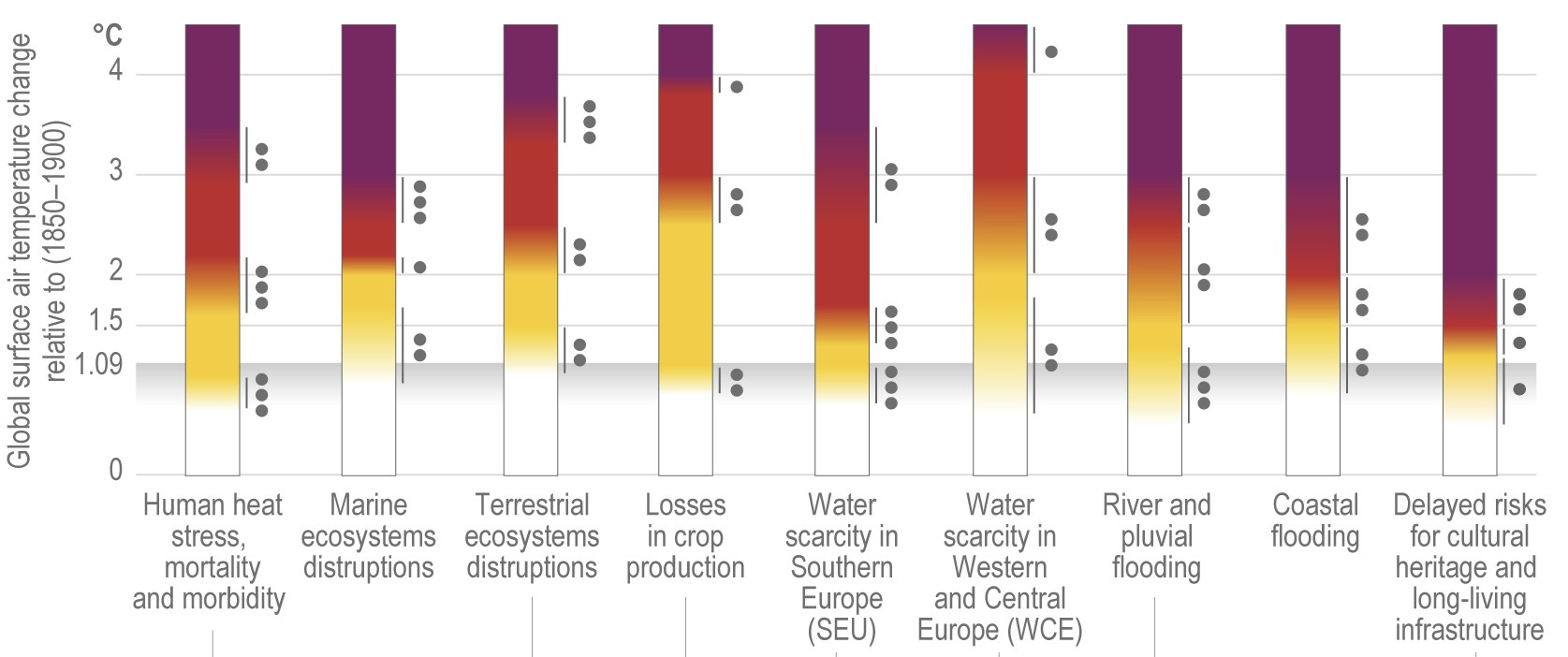
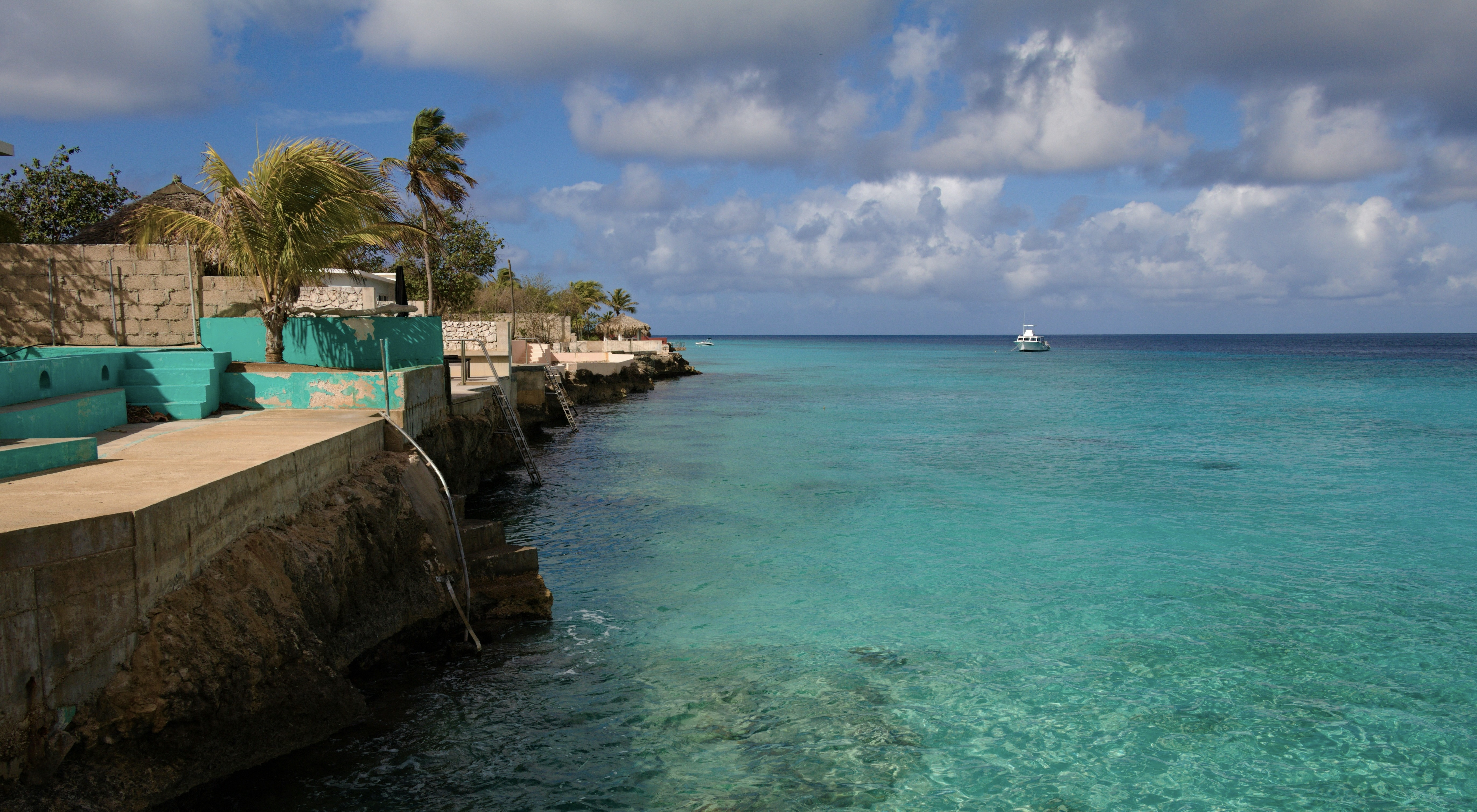
Coral reefs act as climate sensors: since the first bleaching was observed in the 1980s, they have consistently shown the impact of warming and acidification. Overfishing, nutrient pollution and disease have pushed these fragile ecosystems to a critical tipping point, if they have not already passed it. The question is whether recovery is still possible. … Read more

The Minnesota Crisis and Community Resilience

Despite the federal government’s strong violent response, citizens of Minneapolis are organising non-violent resistance and support groups. They are following ICE agents, who are heavily armed and attempting to arrest alleged illegal immigrants. Recently, they killed two American citizens. New grassroots movements are emerging in cities where people feel threatened by their own government. This … Read more

Why I am active: Ferko Öry

Along the coastline of Bangladesh stand enormous towers, apocalyptic: apartment buildings by the surf? No, they are storm shelters where villagers seek refuge from yet another cyclone. For twenty years, I worked in Africa and Asia to strengthen rural healthcare in collaboration with colleagues from those countries. There, in Pakistan, Mozambique, Indonesia and Sudan, climate … Read more

Why I’m active: Gerrit Schaafsma

Why I, as a scientist, am a climate activist. I take part in climate protests because research alone no longer feels like an adequate response to the scale of the crisis we face. The science is unequivocal: insufficient action is causing immense suffering and we face the possibility of irreversible harms. Yet despite decades of … Read more

Why I’m active: Erik Meesters

Why I take action as a scientist. Do I take action? I didn’t know that. Apparently, you take action when you express your opinion. Why do I always have to express my opinion? “Just shut up, man! We know already. Yes, the environment, climate change! Jesus, here he goes again.” At home, they do get … Read more

Climate crisis and political crisis

Sander Otte My name is Sander Otte, professor of technical physics at Delft University of Technology. My area of expertise is quantum physics. You may not immediately associate quantum physics with the climate problem. However, there is an important connection. Only quantum physics can explain why a carbon dioxide molecule absorbs infrared radiation, while a … Read more

How Shell became deeply entrenched in academia

Shell’s influence on the energy transition also extends to the lecture hall. The oil giant is helping to shape the language, tone and direction of the energy transition. This is a summary of an article that appeared in the daily newspaper Trouw on 12 December. It was written by Sjors Roeters in collaboration with the … Read more

With citizens at the wheel, heading in the right direction

Sergej van Middendorp On Monday 1 December, the National Citizens’ Climate Assembly presented its advice to the government. In a comprehensive report, the 175 Dutch citizens who formed the assembly made 23 recommendations in response to the question posed by politicians to the citizens’ assembly: “How can we, as the Netherlands, eat, use goods and … Read more

XR and SR spoil the party for the super-rich

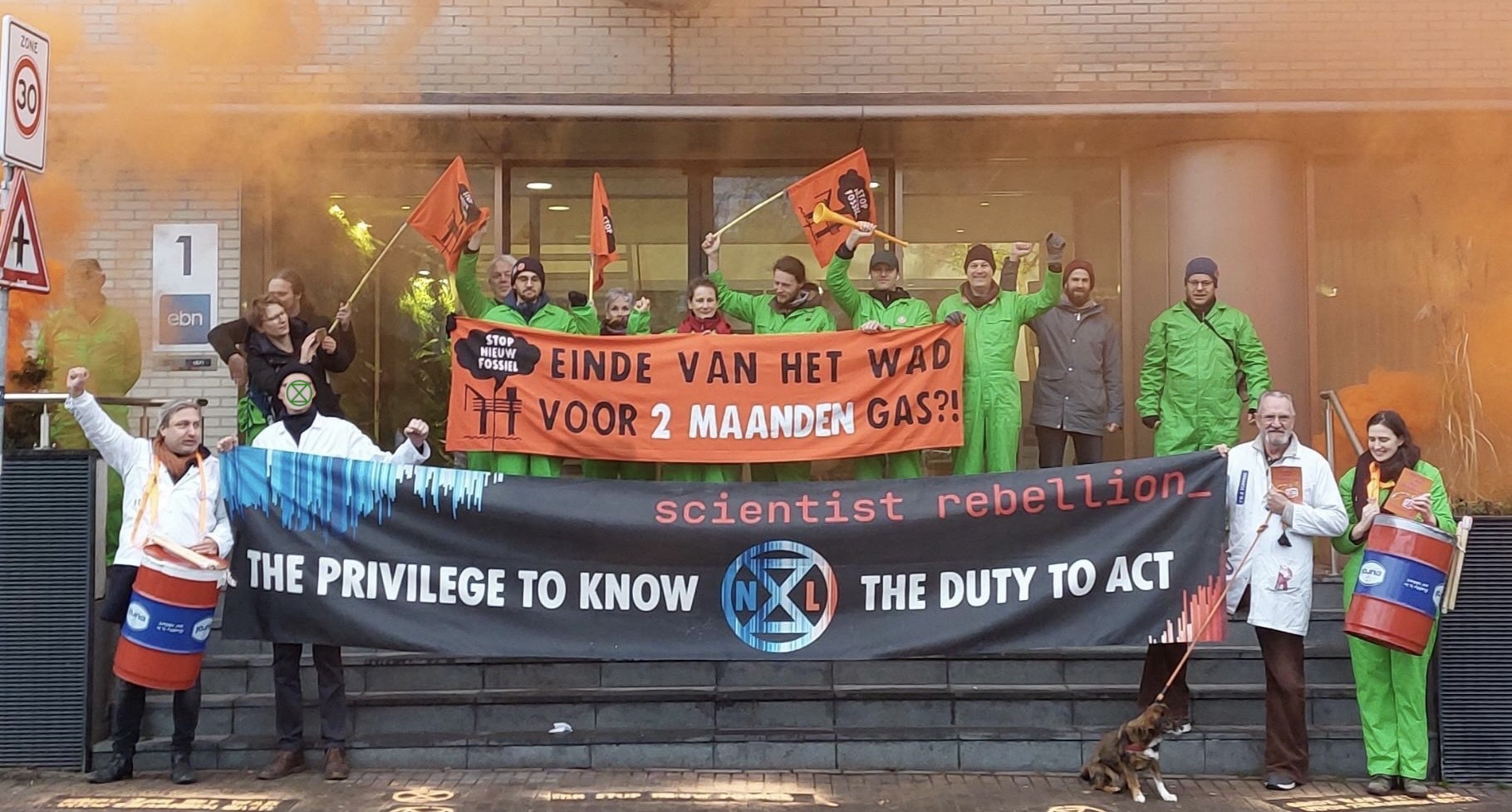
On Saturday afternoon, 13 December, more than 200 activists from Extinction Rebellion (XR) and Scientist Rebellion (SR) disrupted the Masters Expo at the RAI, formerly known as the Millionaires Fair. They demonstrated against this party for the super-rich with the message: the super-rich cost too much. The activists are calling for a redistribution of wealth. … Read more

Make the super-rich pay

The myth of the ‘self-made millionaire’ conceals a system of privilege and exploitation  Eva de Bock & Anna Sach Welcome to the community of greatness. Be here & be great. At first glance, this bombastic, elitist language seems to come straight from Trumpian political theatre, far removed from the down-to-earth attitude of the Netherlands. Yet these … Read more