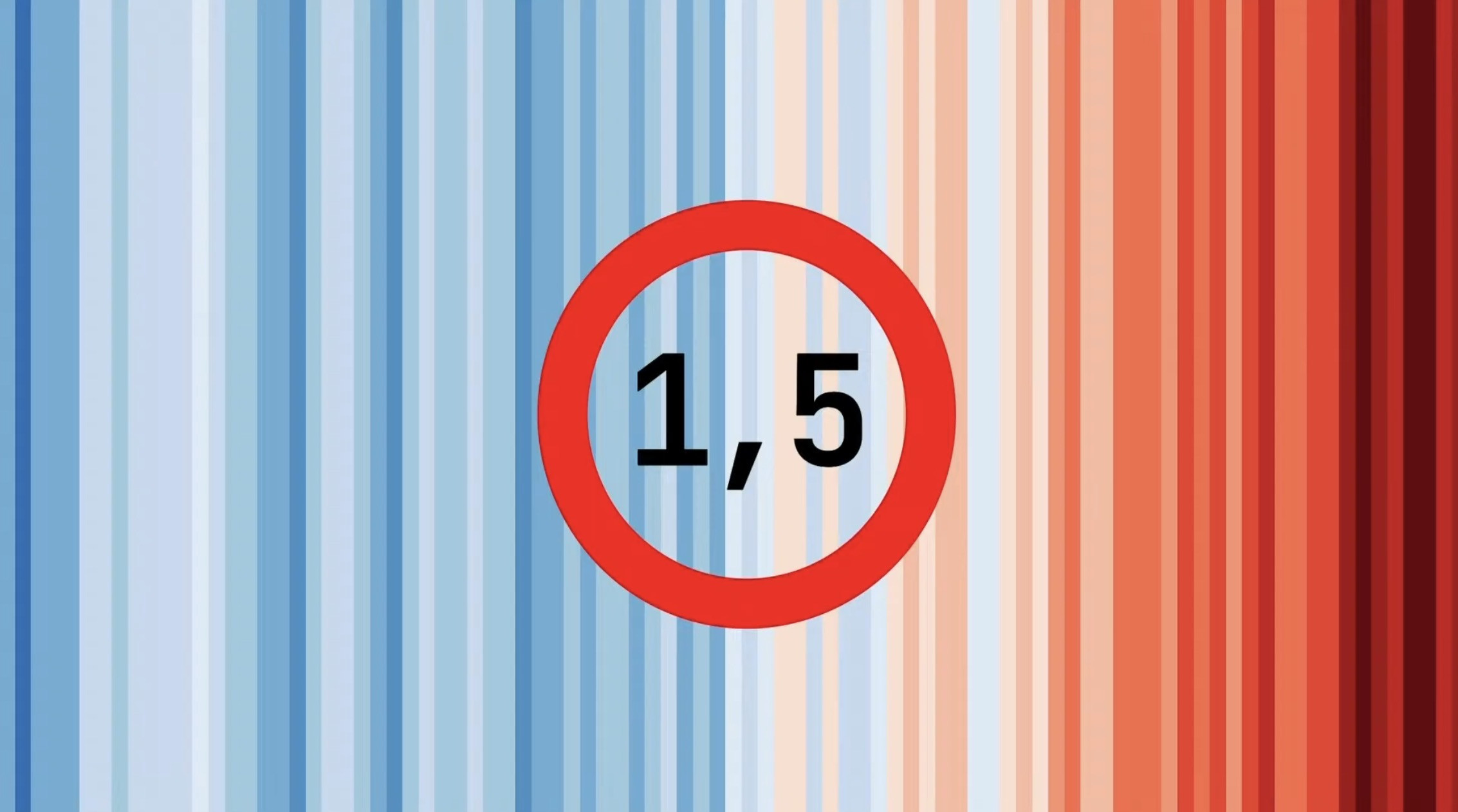
A maximum of 1.5 °C warming, and in any case well below 2 °C, is the goal of the 2015 Paris Agreement, which is still endorsed by most countries. Due to the lack of effective action by governments and businesses, it is becoming increasingly unlikely that the 1.5 °C target will be achieved. Every tenth of a degree of further warming has major, immediate and long-term consequences for the well-being of humanity and ecological systems.
While achieving the Paris Agreement target is becoming increasingly unlikely, it is still of the utmost importance to prevent even a tenth of a degree of future global warming. The only way to achieve this is through urgent action and major societal transformations. So no sticking plasters and policy interventions that merely postpone the problems, but making plans for a society that prioritises conservation, sustainability, resilience and justice.
Ultimately, tackling climate change will require a coordinated effort not only to reduce emissions and support vulnerable communities, but also to implement long-term, step-by-step changes for humanity and other life on Earth.
Both the International Energy Agency (IEA) and the United Nations Intergovernmental Panel on Climate Change (IPCC) have stated unequivocally that the development of new oil and gas fields must be halted immediately in order to achieve net-zero emissions in time to stop global warming at a relatively safe level.1 2
Both organisations have also stated unequivocally that, in order to have even a 50/50 chance of stopping global warming at the Paris target of 1.5 degrees, existing fossil fuel infrastructure must be decommissioned before the end of its expected lifespan.
Fossil fuel producers know this. For example, in an “Energy Security Scenario” for 2023 published by Shell, oil and gas production growth is halted immediately in models that keep warming below 1.5 °C.3