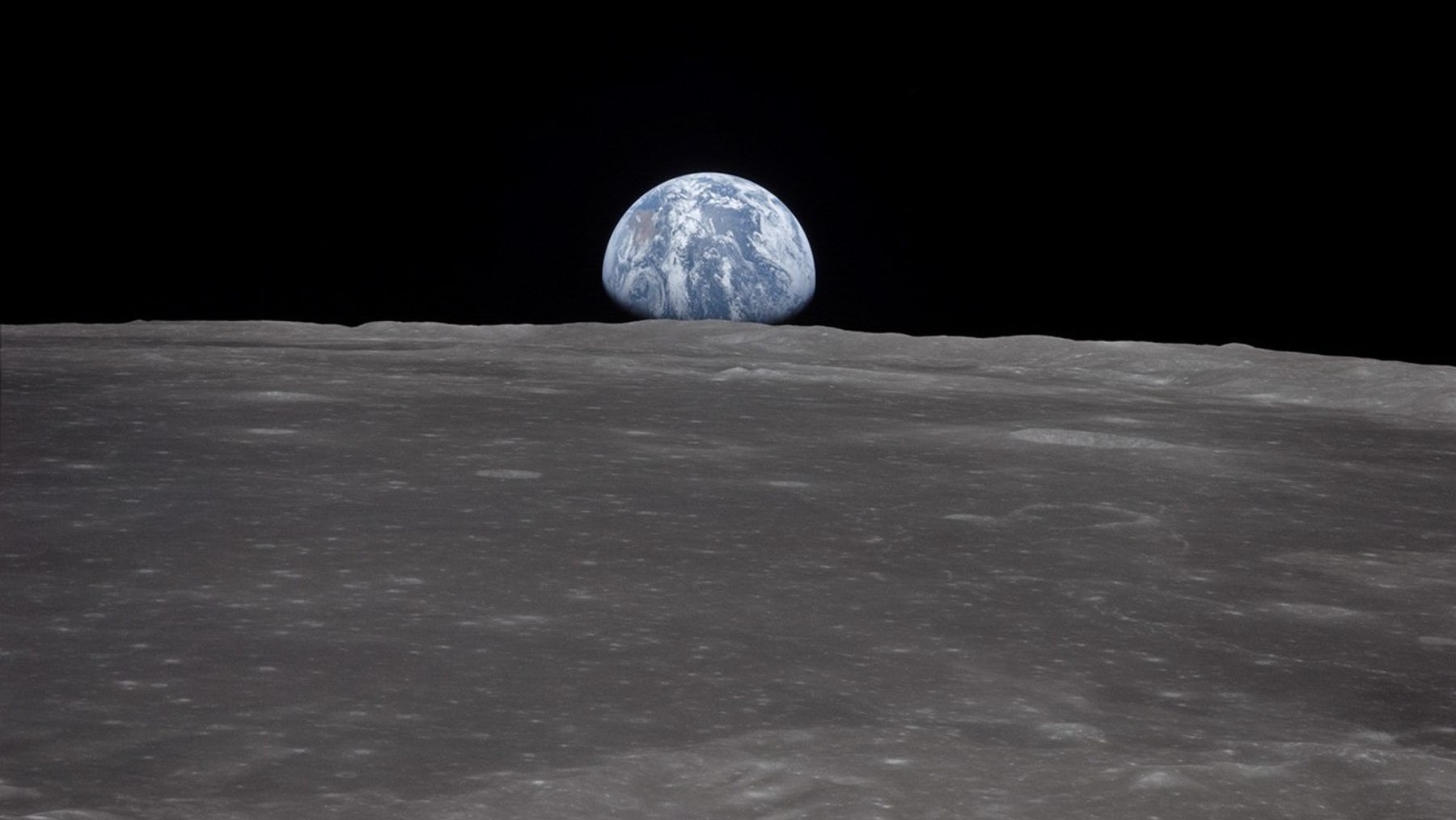
U.S. environmental policy shifted from historic bipartisan support—embodied by the EPA, Clean Air/Water Acts—to partisan opposition driven by conservative distrust of regulation. Recent rollbacks threaten decades‑long air, water, and climate gains, prompting a call for cross‑ideological cooperation because there truly is no “planet B.”
An editorial by R. Kelman Wieder “There is no planet B” in the journal Biogeochemistry reflects on the widening political divide in the United States over climate‑change science and environmental regulation, tracing its roots from post‑World‑War II industrial expansion to today’s partisan attacks on regulatory agencies. Early environmental crises—urban smog, river fires, eutrophication of the Great Lakes, DDT‑induced bald‑eagle declines, and the 1969 Santa Barbara oil spill—spurred the modern environmental movement and prompted landmark bipartisan legislation such as the Clean Air Act, Clean Water Act, and the creation of the EPA in 1970.
Survey data from Pew and other polls[1] show that while a majority of Americans trust scientists (≈76 % confidence in 2024) and view them as intelligent, fewer regard them as good communicators, and partisan gaps persist: Democrats report sadness, anxiety and motivation regarding climate news, whereas many Republicans express suspicion toward climate‑action advocates.[2] Recent executive orders (e.g., EO 14,270, “Zero‑Based Regulatory Budgeting”) and congressional actions in 2025 have begun to roll back longstanding protections, threatening gains in air‑quality, toxic‑metal reductions, and greenhouse‑gas limits achieved under the Clean Air Act.
Wieder argues that this erosion of bipartisan support stems partly from a conservative backlash against government regulation—viewed historically as antagonistic to business—and the rise of “regulatory science,” which ties scientific advice directly to policy. The author calls for a renewed, cross‑ideological collaboration that treats environmental protection as a necessary cost of doing business rather than an impediment, emphasizing that safeguarding clean air, water, soil, and biodiversity is essential because there truly is no “planet B.”
R. Kelman Wieder (2025). There is no planet B. Biogeochemistry, Volume 168, 82 B. https://link.springer.com/article/10.1007/s10533-025-01255-2
[1] Tyson A, Kennedy B (2024) Public trust in scientists and views on their role in policymaking. Pew Research Center. https://pewrsr.ch/3USzH0S
[2] Oreskes N, Conway EM (2022) From anti-government to anti-science: why conservatives have turned against science. Dædalus 151:98–123. https://doi.org/10.1162/daed_a_01946